
Nine years ago, I wrote a prescription for myself and my family.
It was for one of the most powerful and effective medicines there is.
The prescription was for a puppy…
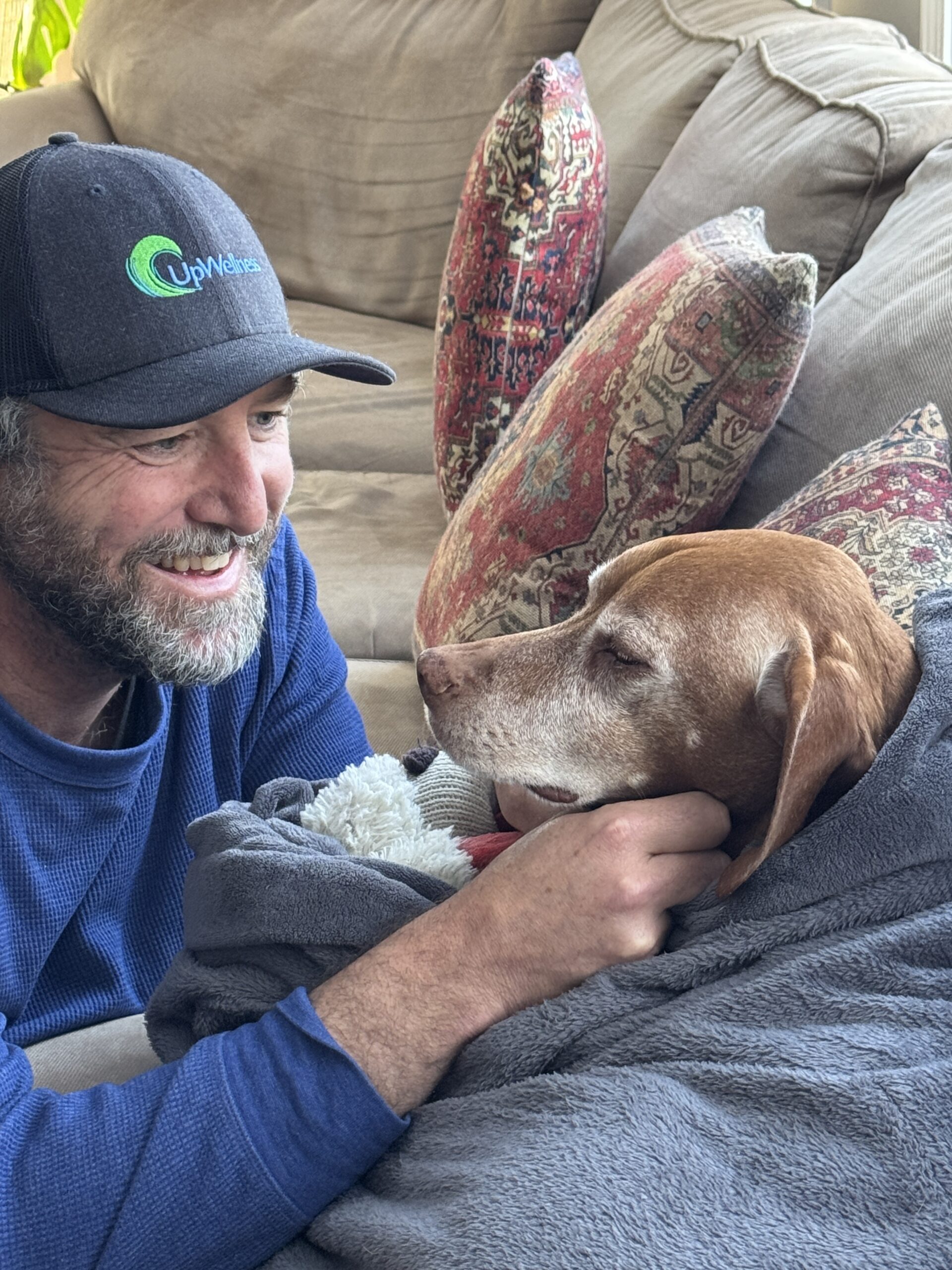
Her name was Raya, and back then, she was just 8 weeks old. A Vizsla puppy with paws too big for her body and an endless supply of curiosity.
Raya is nearly nine now. She’s calmer. Wiser. Still joyful. And still one of the most reliable pieces of “medicine” in our home.
A dog is a bona fide prescription for lower stress, better moods, and more time outdoors.
No co-pay. No warning label. Just daily reminders to move, play, love, and pay attention.
Dogs as medicine (without the hype)
Owning a dog is not for everyone. It requires time, patience, money, and flexibility. But for those who can make it work, the payoff runs deeper than companionship.
Dogs pull us back into rhythms many of us have drifted away from.
- Morning light.
- Daily movement.
- Fresh air, rain included.
- Unstructured play.
- Physical touch.
- A reason to pause and be present.
Those aren’t small things. They are foundational inputs for human health.
What the research keeps showing
This part is not just sentimental.
A large body of research links pet ownership, dogs in particular, with measurable health benefits. Kids who grow up with dogs tend to have fewer allergies and asthma later in life. And research has consistently shown that dog owners:
- Have lower blood pressure and resting heart rates.
- Show reduced stress and anxiety markers.
- Are more physically active without trying to be.
- Have lower rates of social isolation.
- Recover better after illness or major life stress.
Part of this is movement. Part of it is routine. Part of it is touch and connection. And part of it is harder to quantify, but easy to feel.
Dogs meet us where we are, without judgment. That alone lowers the nervous system’s guard.
Why dogs work so well
Dogs do a few things exceptionally well, and they do them every single day.
They live in the moment.
Yesterday’s mistake does not exist. Tomorrow’s worry does not matter. There is only now.
They invite play.
A stick is a treasure. A box becomes a puzzle. Play stops being optional.
They create connection.
To ourselves, to nature, to other people. Dog walks turn strangers into conversations.
They regulate stress by proximity.
Touch, warmth, eye contact. These are not luxuries for humans. They are biological signals of safety.
They help you be who you want to be.
I love that saying that goes “Be the person that your dog thinks you are…”
Just watching Raya be who she is…sweet, funny, playful, curious…it helps me feel like the person I want to be.
The human side of the leash
Of course, dogs are not magic. They come with real responsibilities and real risks.
- Sleep gets interrupted.
- Schedules change.
- Allergies are a real issue for some people.
- Dogs can cause falls, especially in older adults or those with balance issues.
None of that should be minimized. Getting a dog should never be a casual decision.
But when the fit is right, the relationship becomes mutually therapeutic.
We teach boundaries. They teach presence.
We provide structure. They provide joy.
It’s a fair trade.
The takeaway
The therapeutic value of dogs goes far beyond service roles or emotional support labels. For many people, a dog quietly supports cardiovascular health, mental resilience, immune balance, and daily movement without ever trying to “fix” anything.
One of the most effective forms of medicine in modern life may already be asleep at your feet, waiting for a walk, or nudging your hand for attention.
In the right circumstances…a dog is a powerful, safe, and effective medicine.
-Dr. Josh