
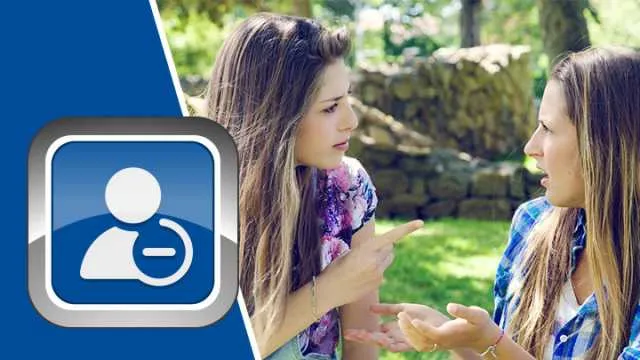
I hear about this more often than you’d think. Someone opens their feed and realizes a friend has quietly disappeared. No message. No explanation. Just gone. And even though it happens online, it triggers a very real emotional response. For many people, getting unfriended feels like a small rejection they weren’t prepared for.
It really doesn’t matter which platform you use. Facebook, Instagram, TikTok… the emotional circuitry is the same. Losing or removing a connection online hits a surprisingly deep part of the brain.
Why it feels like a breakup
Social media used to be a side thing. Now it is where people maintain most of their daily connection. Because of that, even small online conflicts feel heavier than they did ten years ago. The stakes feel higher, and people take these shifts more personally.
My patient Chelsea brought this up recently during a visit about her mental health. She unfriended a few people who made her feel picked on. They were still in her real-life orbit, which made everything awkward. And when she tried to add them back, they ignored her request. Her words: “It felt like high school all over again.”
Offline, friendships drift. You bump into someone years later, you say hi, and life goes on. But unfriending someone online sends a different message. It’s not “we drifted.” It’s “I don’t like you, I don’t like what you post, I don’t want this connection.” That is why most people just tolerate annoying behavior rather than hit the button.
Why we put up with people we don’t actually enjoy
I also see another layer of this in my patients…and the research backs this up. Loneliness has become a major health risk. Studies link it to higher rates of heart disease, cognitive decline, anxiety, and early mortality. Some researchers compare its impact to smoking. People hesitate to prune their social feeds because, on some level, they worry it will make them feel even more isolated. Online connections may not be deep or especially healthy, but they offer a thin sense of belonging that people are reluctant to lose.
Psychologists have found that people keep certain Facebook connections for the same reason they kept certain high school relationships. Social pressure. Fear of missing out. Worry about awkwardness in real life. Even when someone behaves badly, unfriending them feels risky.
Online trolls and troublemakers often have social pull. They are loud, but they are connected. So people keep them around to avoid the “what happened?” drama.
Who gets unfriended the most
Studies over the years have pointed to a few reliable patterns.
- High school acquaintances top the list.
- Frequent or unimportant posting is a big offender.
- Polarizing content like politics or religion comes next.
- Inappropriate content, attention seeking, bragging, or plain irritating habits follow close behind.
- People report unfriending for online behavior far more often than for anything that happens offline.
In short, it’s the posting style, not the person, that usually pushes someone over the edge.
What actually happens when you unfriend someone
Facebook does not send a notification, but people do notice. They stop seeing your posts. They check your profile and see an “Add Friend” button instead of a “Friends” tag. If they use a third-party tool, they may know instantly.
If the relationship matters at all, this can create tension. Sometimes the smarter move is using privacy settings instead of cutting ties.
Before you unfriend, think about your other options
Most of the time, unfriending is overkill. Here are softer tools that solve the same problem.
- Hide posts. Fast and painless.
- Mark someone as an Acquaintance so you see less of them.
- Mark your favorites as Close Friends so you see more of what you care about.
- Unfollow instead of unfriend. They never know.
- Snooze someone for 30 days. A temporary break.
- Use the Take a Break tool if needed.
- Adjust On This Day settings to avoid resurfacing old posts from people you would rather forget.
These tools let you curate your feed without turning every annoyance into a social conflict.
Safety always comes first
If someone is harassing you, posting hateful content, or making you feel unsafe, take more direct action. Block, report, or restrict. Facebook does not share who reported what. You have every right to protect your mental health.
Why people “spring clean” their friend lists
The trend toward “digital decluttering” fits with a broader push toward managing mental load and emotional bandwidth. Trimming social media connections is part of that. Fewer inputs. Less noise. A calmer experience. We simply cannot maintain meaningful contact with hundreds of people. Research suggests we max out around 150 relationships. Everything above that becomes mental clutter.
That means unfriending is not always a rejection. Sometimes it is a sanity decision. And if someone unfriends you, it is worth remembering that relationships shift. Online or offline.
Build the feed you want, not the one you inherited
Social media can help or harm, depending on who you let into your digital world. The more positive your interactions, the better your mood and stress levels. The more negativity you absorb, the worse you feel. Use the tools. Hide, Snooze, Unfollow, Categorize. Your attention matters. Protect it.
Online connection is part of modern health, so it makes sense to shape it with intention. A cleaner, calmer digital environment supports better mood, better focus, and better relationships in everyday life.
-The UpWellness Team